
All University of Turku articles
-
 News
NewsThe evolution of individual species can shape entire species communities
A study demonstrated that the evolution of a single species can alter the composition of an entire species community. The study monitored a microbial community composed of 23 bacterial species for four years. Researchers analysed the community’s species composition and changes in bacterial genomes.
-
 News
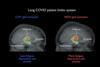
NewsBrain inflammation is unlikely to explain persistent long COVID symptoms
A new brain imaging study has found no evidence of widespread brain inflammation in patients suffering from prolonged symptoms after COVID-19 infection. Instead, the most severe long COVID symptoms were associated with increased brain activity in regions involved in mood and emotion.
-
 News
NewsStudy: Microbes show almost universal potential for biodegrading plastics
Researchers have identified more than 600,000 microbial proteins capable of breaking down natural and synthetic plastics, revealing a far broader biodegradation potential across microbes than previously known.
-
 News
NewsNewly discovered gut microbial molecules in infancy may influence the risk of type 1 diabetes
An international research team has uncovered compelling evidence that gut-microbe-derived molecules may play an important role in shaping the developing immune system during early childhood.
-
 News
NewsAntibiotic resistance predicts higher mortality risk in 17-year follow-up
A population-based study finds that in addition to antibiotic use, diet, sex, living environment, income level and certain gut bacteria are associated with a higher burden of resistance.
-
 News
NewsInternational comparison reveals gender differences in antimicrobial resistance
A recent study analysed the DNA map of more than 14,000 gut metagenomes in a global dataset and found differences in antibiotic resistance between genders. In high-income countries, women had more antibiotic resistance genes than men.
-
 News
NewsNew study reveals how COVID-19 variants hijack human cells
A research team has successfully mapped what they call the “hijackome”, detailing how SARS-CoV-2 variants exploit specific cellular pathways.
-
 Careers
Meet the Global Ambassadors: Our Q&A with Suni Mathew
The Microbiologist chats with our new Global Ambassador for Finland, Suni Mathew, a senior researcher at the University of Turku who studies the effects of heavy metal pollution on plant-associated microbial communities in Arctic ecosystems.
-
 News
NewsFewer good gut bacteria increase the risk of serious infection
Researchers followed more than 10,000 people for 6 years. More than 600 people who had less healthy intestinal flora developed a serious infection, with this leading in some cases to death.
-
 News
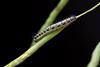
NewsFungal-plant symbiosis offers a promising tool to boost crop resilience
A species of fungus that normally grows in the wild and kills insects can be successfully inoculated in oilseed rape plants where it fosters a unique symbiotic relationship.
-
 News
NewsWomen, city dwellers and those on higher incomes found to have more antibiotic resistance genes
A genetic study analysing the microbiome of a large nationally representative sample of the Finnish population finds that geographic, demographic, diet, and lifestyle factors are driving the spread of antibiotic resistance in the general population.