Review probes marine host-microbe symbioses - and what they mean for conservation
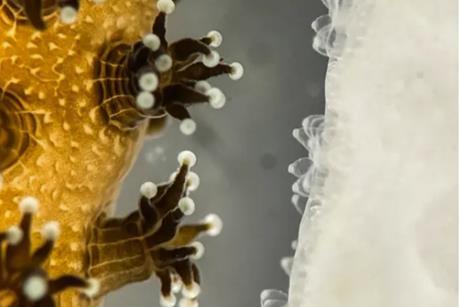
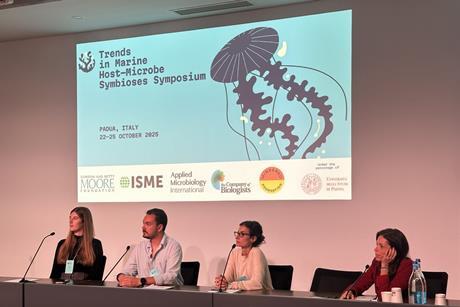
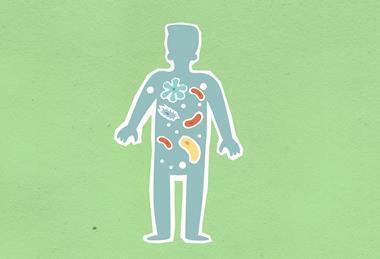
A new review casts new light on what the ocean can tell us about the partnership between animals and microbes. Almost every marine organism, from corals and sponges to squid, fish, deep-sea mussels and seagrasses, lives as a holobiont: a host together with the bacteria, archaea, microscopic eukaryotes and viruses it carries.
- Previous
- Next


Faster results, harder decisions: interpreting syndromic panels in microbiological clinical practice
Every generation in diagnostic microbiology has tried to answer the same questions more quickly. Is an infection present? What is causing it? What should happen next? What has changed dramatically is how rapidly, and how broadly, laboratories can now search for answers to these questions.
Read story
Tracking the invisible: monitoring microbial processes in freshwater ecosystems using fluorescence sensing
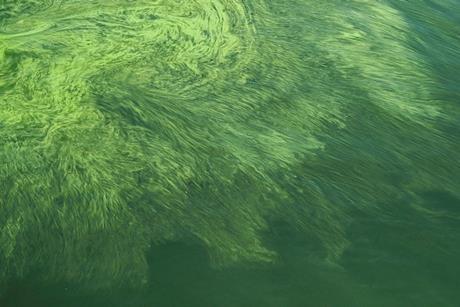
Rivers are dynamic ecosystems driven by microbial processes that regulate carbon and nutrient cycling, organic matter decomposition, and oxygen consumption. Despite their central role in river health, microbial processes remain mostly invisible in routine water quality monitoring programmes, which continue to focus primarily on physicochemical parameters.
How indigenous microbes could rescue the Niger Delta
Benzene contamination from decades of oil exploitation has turned the Niger Delta’s groundwater into a slow-acting poison for millions of people. Yet the solution may already be living in the contaminated sediment itself, if only the political will exists to deploy it.

Earth’s “little Marses”: how extremophiles are shaping astrobiology
There are places on our planet where the environmental conditions closely resemble those on Mars. These terrestrial analogues have become natural laboratories where scientists study the possibility of extraterrestrial life.
Under the Lens video series
The Microbiologist: Under the Lens | Episode 4
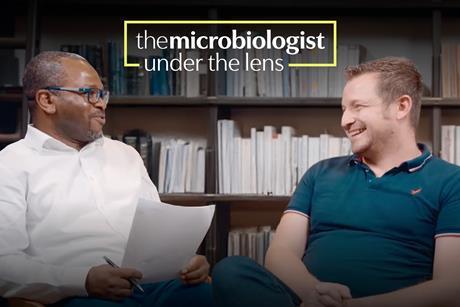
The microscopic organisms living around plant roots may hold the key to reducing agriculture’s reliance on chemical fertilisers and other non-renewable inputs, according to plant microbiome researcher Dr Davide Bulgarelli.
The Microbiologist: Under the Lens | Episode 3
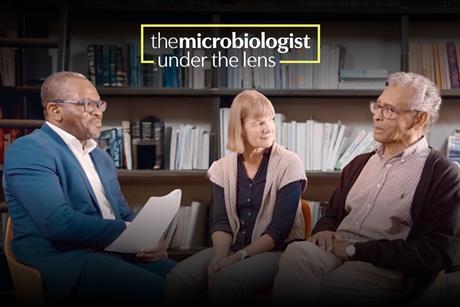
Is raw milk safe to drink? Prof Emmanuel Adukwu is joined by Prof Nicola Holden and Dr Gil Domingue for a conversation on the societal, scientific, and health implications of this pertinent question.
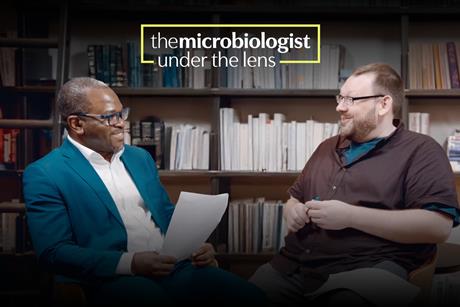
The Microbiologist: Under the Lens | Episode 2
In our second episode, Dr Callum Cooper joins Professor Emmanuel Adukwu to talk about all things bacteriophage, from alternatives to antibiotics, social impact, and regulation.
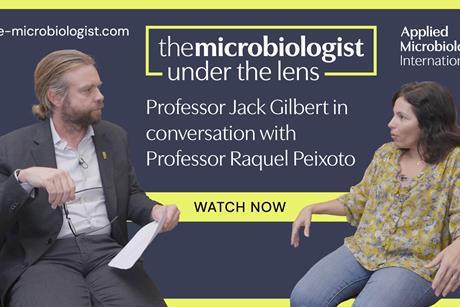
The Microbiologist: Under the Lens | Episode 1
In our first episode, Professor Raquel Peixoto joins Professor Jack Gilbert for a deep dive into coral reefs, microbes, and the future of our planet.
The Microbiologist: Under the Lens | Episode 4
The Microbiologist: Under the Lens | Episode 3
The Microbiologist: Under the Lens | Episode 2
The Microbiologist: Under the Lens | Episode 1
Get unlimited access to The Microbiologist
The Microbiologist provides detailed information on the latest research, topics, reviews, events and news on a wide variety of microbiological topics.
Members of Applied Microbiology International get unlimited access as a benefit. Find out more about AMI Membership


Menopause may have a link to fungal skin infections
For decades, skin concerns associated with menopause, like dry skin, itching, and redness, have often been dismissed as superficial cosmetic concerns inherent to biological ageing. But these changes may reflect the underlying shifts in skin biology.
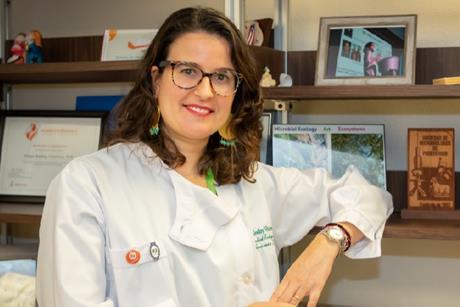
How Puerto Rico’s first microbiome research center can reshape global science collaboration
AMI’s Global Ambassador for the Americas, Dr. Filipa Godoy-Vitorino, Chair of the Department of Microbiology at the University of Puerto Rico, reveals why she is spearheading the planned Puerto Rico Center for Microbiome Sciences (PR-CMS)—the first of its kind in the region.

When do human-driven changes to wildlife microbiomes become a One Health concern?
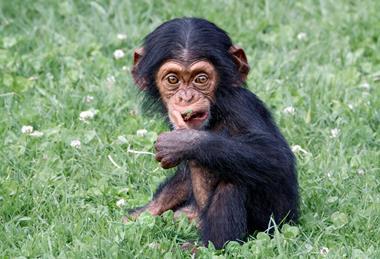
Animals live in close partnership with communities of microbes that support digestion, immune development, and defence against pathogens, but human activities are changing those partnerships, says Katherine M. Lagerstrom.

From evidence to action: how to bridge the gap between scientists and decision-makers to solve global One Health challenges
Reflections from the AMI Policy Team’s recent workshop at the 9th World One Health Congress.
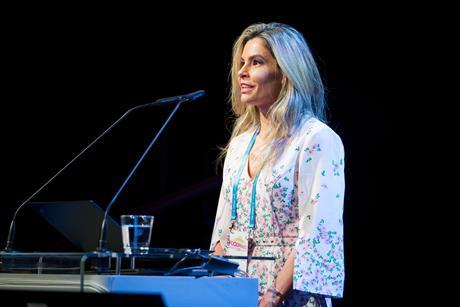
Food and innovation: Reflections from FOODMicro 2026
AMI Food Security Advisory Group member Professor Marciane Magnani, a Full Professor of Food Science at the Federal University of Paraíba (UFPB), Brazil, reflects on her experiences of FOODMICRO 2026 in Slovenia.

Horizon Award winners one year on: What are they up to?
The nominations for the Horizon Awards are in - and the judges are making their decisions. While we await the big announcement, we’ve been catching up with the superstars who won in 2025.
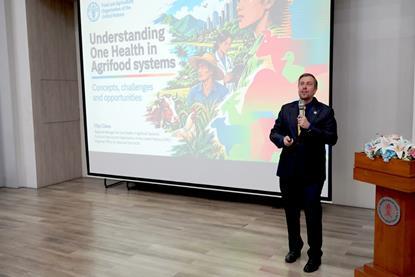
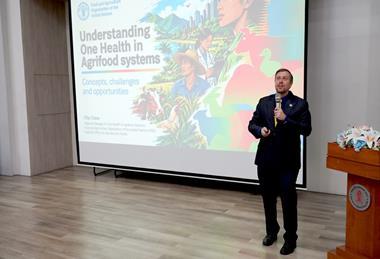
One Health initiative aims to build safer, more sustainable food systems
A new One Health initiative in Thailand is bringing together expertise across food safety, antimicrobial resistance, climate change and public health. The platform aims to turn scientific evidence into coordinated action across agrifood systems, with a strong focus on collaboration between researchers, government, industry and international partners.
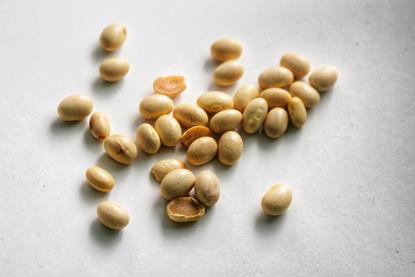
Leaf spectra reveal hidden nitrogen-fixing nodules in soybean roots
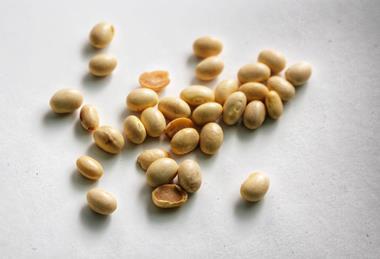
Soybean roots may no longer need to be dug up to reveal how well they are forming nitrogen-fixing nodules. Researchers have shown that hyperspectral signals from leaves can predict below-ground nodule traits, offering a non-destructive way to track plant–microbe partnerships under drought and salt stress.
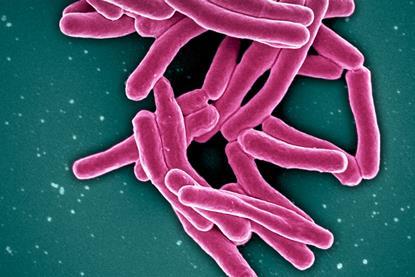
Common cell-death inhibitor reveals an unexpected pathway in tuberculosis
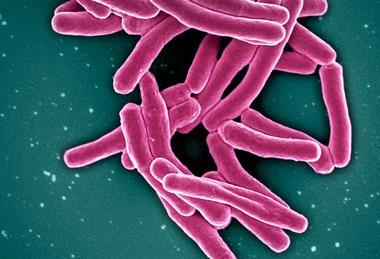
A widely used cell-death inhibitor may be triggering macrophage death during mycobacterial infection through an unexpected off-target pathway. The findings reveal a caspase-8-independent route to necroptosis and could help explain how damaging necrotic granulomas form during tuberculosis.
Food security
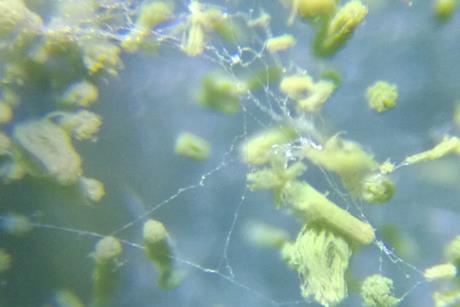
One strain, two jobs: Bacillus amyloliquefaciens SQ1 degrades wheat straw and suppresses aflatoxin-producing Aspergillus flavus
Bacillus amyloliquefaciens SQ1SQ1 functions as a dual-purpose biocatalyst for wheat straw biomass, breaking down cellulose while inhibiting fungal growth, thereby enhancing straw biotransformation, mitigating mycotoxin risk and supporting early crop growth.

Clean Water
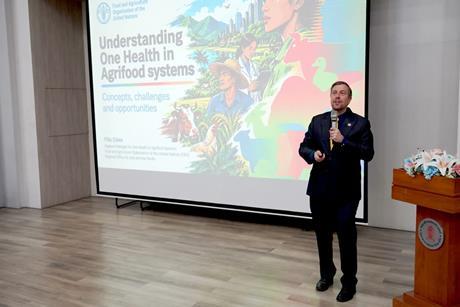
One Health initiative aims to build safer, more sustainable food systems
A new One Health initiative in Thailand is bringing together expertise across food safety, antimicrobial resistance, climate change and public health. The platform aims to turn scientific evidence into coordinated action across agrifood systems, with a strong focus on collaboration between researchers, government, industry and international partners.


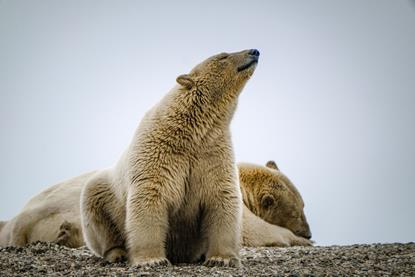

Review probes marine host-microbe symbioses - and what they mean for conservation
A new review casts new light on what the ocean can tell us about the partnership between animals and microbes. Almost every marine organism, from corals and sponges to squid, fish, deep-sea mussels and seagrasses, lives as a holobiont: a host together with the bacteria, archaea, microscopic eukaryotes and viruses it carries.