
All university of exeter articles
-
 News
NewsNew antibiotic mechanism triggers hope for new treatments in fight against resistance
A team studied the bacterium Coxiella burnetii to investigate why it is so sensitive to doxycycline. They found antibiotic molecules stack upon each other to block the ribosome exit channel, revealing a new mechanism for how doxycycline disarms the bacterium.
-
 News
NewsA 'copper economy' helps fungi and bacteria build better biofilms
Scientists have discovered that two common human pathogens can work together by managing copper in their shared environment - a finding that could open new ways to break down stubborn mixed biofilms.
-
 News
NewsAntibiotics drive resistance in waterways - even after they break down
Antibiotics continue to drive resistance to bacteria, even after they are broken down in wastewater treatment plants and discharged into rivers and seas, new research published on World Oceans Day has shown for the first time.
-
 News
NewsMethane emissions maximised by global warming
A new study explains how increases in natural methane emissions will be maximised under future climate warming. It showed that while methane consuming microbes do work harder under warmer conditions, they cannot fully check the extra methane being produced with warming.
-
 News
NewsViruses ‘eavesdrop’ on each other – but it can backfire
Viruses can “eavesdrop” on each other using chemical signals – but it can backfire for the eavesdropper, new research shows. Scientists studied chemical communication by phages, viruses that infect bacteria.
-
 News
NewsFirst evidence of fungal pathogen becoming more deadly when co-infected with tuberculosis
Co-infection of Mycobacterium tuberculosis, together with Cryptococcus neoformans, is a grave public health concern, increasing the risk of death significantly. Researchers have found that in the presence of Mycobacteria, the fungus changed its cell density, cell diversity, and capsule size.
-
 News
News Engineered moths could replace mice in research into “one of the biggest threats to human health”
Scientists have created the world’s first genetically engineered wax moths – a development which could both accelerate the fight against antimicrobial resistance (AMR) and significantly reduce the need for mice and rats in infection research.
-
 News
NewsTB harnesses part of immune defense system to cause infection
Scientists have made a discovery that helps explain why humans and animals are so susceptible to contracting tuberculosis – and it involves the bacteria harnessing part of the immune system meant to protect against infection. They team discovered that MTB survives within the cells of its host by targeting Dectin-1.
-
 News
NewsCandida auris: genetic process revealed which could be treatment target for deadly fungal disease
Scientists have discovered a genetic process which could unlock new ways to treat a mysterious and deadly fungal infection which has shut down multiple hospital intensive care units.
-
 News
NewsMicroplastics pose a human health risk in more ways than one
A new study shows that microplastics in the natural environment are colonised by pathogenic and antimicrobial resistant bacteria. The study team calls for urgent action for waste management and strongly recommends wearing gloves when taking part in beach cleans.
-
 News
NewsNew research confirms HPV vaccination prevents cervical cancer
Two new Cochrane reviews show strong and consistent evidence that HPV vaccines are effective in preventing cervical cancer and pre-cancerous changes, especially when given to young people before they are exposed to the virus.
-
 News
News‘Cocktails’ of common pharmaceuticals in our waterways may promote antibiotic resistance
New research has shown, for the first time, how mixtures of commonly used medications which end up in our waterways and natural environments might increase the development of antibiotic resistant bacteria.
-
 News
NewsCoral reefs set to stop growing as climate warms, scientists warn
Most coral reefs will soon stop growing and may begin to erode – and almost all will do so if global warming hits 2°C, according to a new study in the western Atlantic.
-
 News
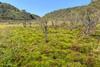
NewsNew research reveals ancient alliance between woody plants and microbes has potential to protect precious peatlands
New research shows that during historic periods of drying the growth of woody plants in a subtropical Chinese peatland improved the quality of organic matter and suppressed decomposing microbial activity.
-
 News
NewsBeetroot juice lowers blood pressure in older people by changing oral microbiome
The blood pressure lowering effect of nitrate-rich beetroot juice in older people may be due to specific changes in their oral microbiome, according to the largest study of its kind.
-
 News
NewsNew test could save lives from deadly fungal infection that spiked during pandemic
A new lateral-flow test could one day save lives across the world through early detection of a deadly fungal disease which dramatically spiked during the COVID-19 pandemic.
-
 News
NewsNew pests and diseases will cut UK tree growth
The arrival of new plant pests and diseases is likely to severely damage UK trees and woodlands in the coming decades, new research shows.
-
 News
NewsScientists uncover how bacterial resistance to synergistic drug treatments is arising
Scientists investigating the potential of combined and more powerful drug treatments have found that antimicrobial resistance to these is arising via the vitamin B2 synthesis pathway.
-
 News
NewsPlague transmission may have begun a century before the Black Death, study shows
Evidence from 13th-century chroniclers and physicians indicates plague may have been involved in epidemics a century before the Black Death, a new study shows. Source: Dschingis Khan und seine Erben (exhibition catalogue), München 2005, p. 253 Conquest of Baghdad by the Mongols 1258. Right part of a double-page ...
-
 News
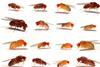
NewsStudy shows some species are susceptible to broad range of viruses
A study of fruit flies shows some species are highly susceptible to a wide range of viruses. But fly species that were resistant to one virus were generally resistant to others – including very different types of virus.