
All Middle East & Africa articles – Page 11
-
 News
NewsProfessor Sabiha Essack wins Christiana Figueres Policy to Practice Award
Professor Sabiha Essack, the South African Research Chair in Antibiotic Resistance and One Health, Professor in Pharmaceutical Sciences at the University of KwaZulu-Natal, has been awarded the Christiana Figueres Policy to Practice Award.
-
 News
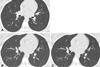
NewsUltra-low dose CT aids pneumonia diagnosis in immunocompromised patients
Denoised ultra-low dose CT can effectively diagnose pneumonia in immunocompromised patients using only 2% of the radiation dose of standard CT, according to a study.
-
 News
NewsMeningococcal vaccine found to be safe and effective for infants in sub-Saharan Africa
A new global health study found a vaccine that protects against five strains of meningitis prevalent in sub-Saharan Africa is safe and effective for use in young children beginning at 9 months of age.
-
 News
NewsNew immune mechanism revealed in the cellular trash
The enzyme, proteasomes known for its protein degradation and recycling system, has found to serve another useful purpose that provides promising alternatives for strengthening immune defenses against deadly diseases.
-
 News
NewsCan Rhizobium + low P increase the yield of common bean in Ethiopia?
A study found that bean inoculation with Rhizobium alone or in combination with P application, can increase grain yield of two common bean cultivars in Ethiopia.
-
 News
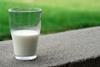
NewsE. coli strain in Egyptian dairy products also found in Japan school outbreak
Researchers found E. coli prevalent in over 25% of popular milk and dairy products in Egypt. One of the E. coli strains they isolated from the samples collected in 2018 in Egypt had the same characteristics as the E. coli that caused food poisoning in Japan in 2021.
-
 News
NewsDemocratic Republic of the Congo deepens investigation on cluster of illness and community deaths in Equateur province
Health authorities in the Democratic Republic of the Congo and experts from World Health Organization (WHO) are carrying out further investigations to determine the cause of another cluster of illness and community deaths in Equateur province.
-
 News
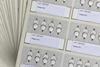
NewsNew paper-based device boosts HIV test accuracy from dried blood samples
Scientists have trialled a more precise medical device to measure HIV viral loads by engineering a paper device with wax-printed patterns that create precise channels and collection spots, ensuring it consistently collects the same volume of blood.
-
 News
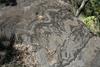
NewsStromatolite study provides new detail on the impact of volcanic activity on early marine life
Analysis of fossilised rocks known as stromatolites - layered rock formations created by ancient microorganisms, such as bacteria - from more than two-and-a-half billion years ago has provided new insights into the conditions on Earth before the evolution of oxygen.
-
 News
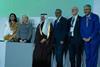
NewsKingdom of Saudi Arabia confirms US $500 million commitment to global polio eradication effort
The Kingdom of Saudi Arabia has reaffirmed its US $500 million pledge to the Global Polio Eradication Initiative (GPEI) in a signing event during the fourth Riyadh International Humanitarian Forum.
-
 News
NewsScientists warn of increased mpox transmission
International researchers warn that the ongoing mpox outbreak in the Democratic Republic of the Congo (DRC) has the potential to spread across borders more rapidly. The mpox virus has mutated, and the new variant, clade 1b, has become more infectious.
-
 News
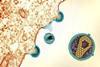
NewsNew therapy may effectively control HIV in Uganda
Clinical trials showed an effective antiviral drug, known as lenacapavir, against HIV in Uganda, and has also been tested for drug resistance in different subtype strains.
-
 News
NewsResearchers ID key immune differences that make one West African ethnic group less susceptible to malaria
Researchers have uncovered how genetic and lifestyle factors influence immune responses to malaria in children from two large West African ethnic groups. Children showed key differences in immune cell activity offering greater protection.
-
 News
NewsMass polio vaccination campaign to continue in the Gaza Strip
The emergency polio outbreak response in the Gaza Strip is continuing, with a mass vaccination campaign scheduled from 22 to 26 February 2025. The novel oral polio vaccine type 2 (nOPV2) will be administered to over 591,000 children under 10 years of age.
-
 News
NewsNo more antibiotics? Scientists pioneer a safer way to protect cultured meat
A new study explores the use of Random Antimicrobial Peptide Mixtures (RPMs) as a safe and effective alternative to antibiotics in cultured meat production. These synthetic peptide cocktails eliminate bacterial contamination without harming stem cell viability or contributing to antibiotic resistance.
-
 News
NewsEliminating HIV funding program would lead to >600k deaths in South Africa alone: warning
A new analysis finds that eliminating PEPFAR would lead to 601,000 HIV-related deaths, 565,000 new HIV infections, and would increase population-level healthcare expenditure by $1.7 billion over the next decade in South Africa alone.
-
 News
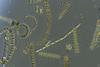
NewsA new system to study phytoplankton: Crucial species for planet Earth
Researchers have come up with a new way to study phytoplankton. They’ve built a system that can measure the light given off by individual phytoplankton cells, which tells them how efficiently each individual is using light.
-
 News
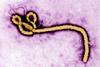
NewsGroundbreaking Ebola vaccination trial launches in Uganda
In a global first, Uganda’s Ministry of Health, the World Health Organization (WHO) and other partners have launched a first ever vaccine trial for Ebola from the Sudan species of the virus, and at an unprecedented speed for a randomized vaccine trial in an emergency. Source: CDC Global ...
-
 Careers
Summer studentship: Ojewale finds novel Actinomycetes offer rare antimicrobial metabolites
Ojewale Ifeoluwa Florence reports back on her AMI-sponsored summer studentship which focused on the investigation of Actinobacteria found in local freshwater environments in Ogun State, Nigeria, under supervisor Dr. Amina Badmos.
-
 News
NewsAfrica’s largest human microbiome study sheds light on gut diversity and health
The most extensive study of the gut microbiome in Africa has discovered new microbial species and never-before-reported metagenomes from several African sites.