
All articles by Linda Stewart – Page 143
-
 News
NewsNew study reveals subway station fungal communities
Researchers who collected monthly samples from subway stations in Beijing found high fungal diversity, mostly non-pathogenic. Some opportunistic pathogens were also detected. Fungal communities varied significantly by season and station types.
-
 News
NewsSugary drinks influence the psyche via the intestine
A new study provides strong evidence that sugary drinks affect not only metabolic but also mental health – especially in women. This effect is probably mediated by the sensitive microbiome of the intestine.
-
 News
NewsHot springs in Japan give insight into ancient microbial life on Earth
Iron-oxidising bacteria in the iron-rich hot springs suggest early microbes used iron and trace oxygen, not sunlight, as their primary energy source during the planet’s shift from a low-oxygen to a high-oxygen atmosphere about 2.3 billion years ago.
-
 News
NewsMilk matters: How donor human milk storage affects preemie gut health
A study reveals that shorter storage durations of donor human milk are linked to reduced gastrointestinal complicatoins in premature infants, including necrotizing enterocolitis. These findings suggest that minimizing milk storage time may help to preserve protective properties crucial for preterm gut health.
-
 News
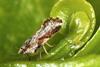
NewsWorld’s first discovery of a mysterious tubular structure in citrus pest symbionts
A multinational research team has discovered a mysterious tubular structure — previously unknown in any organism — within Profftella, a symbiotic bacterium associated with a major global citrus pest.
-
 News
NewsIn pregnant mice with severe flu, harmful molecules can breach fetal barriers
A new study shows, for the first time, that severe flu infection in pregnant mice leads to a breakdown in placental and brain barriers, leading to the accumulation of potentially harmful molecules in the fetal brain. Fibrinogen can pass into developing fetal brains.
-
 News
NewsHeadspace invaders: How mosquito-borne viruses breach the brain’s defenses
Using a stem cell-based model of the human blood-brain barrier, researchers compared two closely related Sindbis virus strains — one brain-invading and one not — and found that small changes in viral surface proteins called glycoproteins dictate whether the virus can cross.
-
 News
NewsReview shows around one in three hospital infections involve antimicrobial resistance
With an estimated 1.14 million deaths worldwide annually caused by bacteria becoming resistant to antibiotics, a study shows that in hospital settings antimicrobial resistance is common and independently associated with a higher risk of death.
-
 News
NewsOkinawan marine sponges yield promising treatment for leishmaniasis
A family of compounds called onnamides shows remarkable potential against the parasite that causes a neglected tropical disease.
-
 News
NewsRivers’ hidden helpers: microbes that clean up nitrogen pollution across China
A new study has revealed how tiny microbes in rivers and wetlands across China help clean up excess nitrogen pollution, offering fresh insights into the health of freshwater ecosystems and the global nitrogen cycle.
-
 News
NewsKey to the riddle of sleep may be linked to bacteria
New research suggests a new paradigm in understanding sleep, demonstrating that a substance in the mesh-like walls of bacteria, known as peptidoglycan, is naturally present in the brains of mice and closely aligned with the sleep cycle.
-
 News
NewsTrojan horse: Amoebae as carriers for human Norovirus and Adenovirus
A new study reveals that common waterborne amoebae can ingest and protect human viruses, extending their environmental persistence. Human norovirus and human adenovirus can enter and persist within FLA.
-
 News
NewsStudy models how human behavior, lockdowns and restrictions shaped COVID’s spread
Researchers employed computer modeling and large datasets to better understand how COVID-19 was transmitted in one community in South Africa during the course of the worldwide pandemic.
-
 News
NewsFatty acids feed cancer-promoting bacteria: How chronic cellular stress alters the gut microbiome
Researchers have identified a cellular mechanism that alters the gut microbiome in a way that promotes cancer. An analysis of patient data shows that the findings also apply to humans.
-
 News
NewsNew study finds dried blood spot test reliably detects congenital CMV at birth
New research confirms that testing for congenital cytomegalovirus (cCMV) at birth using the routinely collected dried blood spot (DBS) is a reliable and effective method to identify newborns at risk for long-term developmental challenges.
-
 News
NewsStudy reveals how tick-borne encephalitis virus enters cells
The protein on human cells that tick-borne encephalitis virus (TBEV) uses for infection has now been identified—a major step toward understanding how TBEV causes neurological disease and for developing antiviral drugs.
-
 News
NewsScientists develop a virus cocktail to combat superbugs
Researchers have developed a bespoke phage therapy, Entelli-02, a five-phage cocktail designed specifically to target Enterobacter cloacae complex (ECC), a group of bacteria responsible for severe, often difficult-to-treat infections.
-
 News
NewsMore than 50 scientific societies issue letter to Congress expressing concerns regarding executive order on federal grantmaking
A coalition of more than 50 scientific societies has issued a letter to the United States Congress, expressing concerns over provisions in the 7 August 2025 Executive Order (EO) titled “Improving Oversight of Federal Grantmaking.”
-
 News
News NIH grant to UC Riverside supports research on dangerous emerging virus
Researchers have been awarded an NIH grant of about $3.4 million over five years to lead an international study focused on developing protective antibodies against Crimean-Congo hemorrhagic fever virus (CCHFV), a biosafety level 4 pathogen and a Category A bioterrorism agent.
-
 Careers
Summer studentship: Amelia investigates how Streptococci aggregate with other oral bacteria
Amelia Rohim reports back on her AMI-sponsored summer studentship which focused on the investigation of inter-species aggregation between oral bacteria at the University of Michigan with Dr. Alexander Rickard.