
All Imperial College articles
-
 News
NewsLife on Venus? UK probe could reveal the answer
The answer to whether tiny bacterial lifeforms really do exist in the clouds of Venus could be revealed once-and-for-all by a UK-backed mission. Scientists plan to search and map phosphine, ammonia, and other gases rich in hydrogen that shouldn’t be on the planet.
-
 News
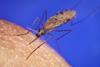
NewsClimate change linked surge in malaria transmission could be less than feared
Despite concerns about the potential impact of climate change on increasing malaria risk, there is still limited understanding of how temperature affects malaria transmission – until now.
-
 News
NewsHarnessing the power beneath our feet
Dr Nicola Holden, from Applied Microbiology International’s Food Security Scientific Advisory Group, reports back on the AMI conference ’The Power of Microbes in Sustainable Crop Production’, recently held at the John Innes Centre in the UK.
-
 News
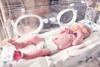
NewsScientists ID what makes some gut bacteria threaten neonatal babies
Researchers have identified what makes some strains of gut bacteria life-threatening in pre-term babies.