
All highly pathogenic avian influenza articles
-
 News
NewsResearchers test far-ultraviolet light to prevent bird flu in poultry
Researchers are preparing to test a new potential line of defense against highly pathogenic avian influenza, HPAI in poultry farming. They will use a form of ultraviolet light called far-UVC, to see if it can kill HPAI, without harming birds on poultry farms.
-
 News
NewsNew research offers practical biosecurity tools to limit poultry disease spread
New research could help producers better protect poultry flocks from disease outbreaks while reducing costs. By identifying where contamination occurs and how to interrupt those pathways, the research helps move biosecurity from theory to action, offering tools that can protect animal health and support a more stable food supply.
-
 News
NewsFirst continent-wide map of dominant avian influenza strain explains its spread
Scientists provided the most complete view of bird flu’s spread through wild bird populations across North America, explaining how the dominant strain advanced, maintaining the risk of human infections.
-
 News
NewsBird flu spread could be impacted by where waterfowl like to live
The movement patterns of waterfowl, including ducks, swans and geese, may affect the spread of highly pathogenic avian influenza in bird populations. Researchers found that birds travel much shorter distances in areas with human activity.
-
 News
NewsScientists identify more effective way to detect poultry viruses in live markets
Scientists have found that viruses circulating in live poultry markets can be detected more effectively by sampling the surrounding environment than by testing individual birds. The study shows that environmental sampling can uncover a broader range of poultry viruses.
-
 News
NewsEpidemiology: Key predictors of avian flu outbreaks in Europe identified
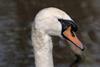
Several local factors — including the minimum temperature reached in autumn, the water level in lakes and ponds in winter, and the presence of mute swans — could be key for predicting the potential of an outbreak of highly pathogenic avian flu (HPAI) occurring in Europe.
-
 News
NewsBackyard poultry face HPAI risk when migrating mallards stop to rest
Knowing where, when and for how long mallard ducks – natural carriers of avian influenza – stop and rest as they migrate can help predict the probability that they will spread bird flu to backyard poultry flocks, according to a new study.
-
 News
NewsWashington coast avian flu outbreak devastated Caspian terns, jumped to seals
An epidemiological study found that 56% of a large breeding colony of Caspian terns died from a 2023 outbreak of highly pathogenic avian influenza at Rat Island in Washington state. Since then, no birds have successfully bred on the island.
-
 News
NewsBovine H5N1 influenza from infected worker transmissible and lethal in animal models
A highly pathogenic avian influenza H5N1 virus, isolated from the eye of a farm worker who became infected through contact with dairy cows, was lethal in mice and ferrets infected in a high-containment laboratory environment.
-
 News
NewsReceptors make dairy cows a prime target for influenza
Researchers who examined mammary gland samples from two cows infected with highly pathogenic avian influenza found a rich supply of sialic acid, which could shed light on how the virus attaches to hosts and help develop measures to slow the spread.