
All Gut Microbiome articles – Page 15
-
 News
NewsAdvanced disease modelling shows some gut bacteria can spread as rapidly as viruses
Escherichia coli (E. coli), a type of bacteria commonly found in the human gut, could spread as quickly as swine flu, new research suggests. For the first time, researchers are able to predict the rate at which one person could transmit gut bacteria to those around them.
-
 News
NewsGroundbreaking review reveals how gut microbiota influences sleep disorders through the brain-gut axis
A comprehensive review illuminates the intricate connections between gut microbiota and sleep regulation, establishing the microbiota-gut-brain axis as a critical pathway in understanding and potentially treating sleep disorders.
-
 News
NewsUnderweight and unbalanced: Gut microbial diversity in underweight Japanese women
A study of underweight Japanese women reveals they showed reduced gut microbiota diversity and enrichment of taxa associated with inflammatory tendencies. The findings suggest that gut health is as important as caloric intake when it comes to addressing low body weight.
-
 News
NewsResearch spotlight: Mapping how gut neurons respond to bacteria, parasites and food allergy
A new study adds to accumulating evidence showing that the enteric nervous system works closely with the immune system to help the body respond to bacteria, parasites and allergens. The ENS also plays a key role in how the body maintains balance and protects itself from harm.
-
 Features
Rewilding the microbiome: how the SanaTerra Living Lab bridges science and tradition to restore One Health
After years of living and working across four continents, Faiza Hajji and her family fell in love with La Vera, a fertile corner of Extremadura, western Spain. This journey gave rise to SanaTerra One Health & Microbiome Living Lab, founded in 2024: a platform where scientists, farmers, educators, and communities co-create innovations rooted in microbiome health, regenerative agriculture, and planetary wellbeing.
-
 News
NewsBabies’ gut bacteria may influence future emotional health
A child’s early gut microbiome may influence their risk of developing depression, anxiety or other internalizing symptoms in middle childhood, according to a new study.
-
 News
NewsA nose for microbes: how hunger tunes the brain
New research reveals how missing just one essential amino acid can change gene expression and the brain’s sensory systems, prompting animals to seek out protein-rich yeast and gut bacteria that help them restore nutritional balance and survive in times of need.
-
 News
NewsRebalancing the gut: how AI solved a 25-year Crohn’s disease mystery
Researchers have settled a decades-long debate surrounding the role of the first Crohn’s disease gene to be associated with a heightened risk for developing the auto-immune condition.
-
 News
News£4.56M Wellcome Discovery Award to investigate natural human resistance to Salmonella
The University of Liverpool’s Professor Jay Hinton and an international team have been awarded a £4,555,647 Wellcome Discovery funding to lead a five-year research programme exploring how some healthy humans are naturally protected from being infected by Salmonella Typhimurium.
-
 News
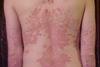
NewsPsoriasis-linked gene mutation also impacts gut health
A mutation previously linked to skin disorders like psoriasis may also play a surprising role in gut health, according to new research. This mutation activates skin immune responses but also affects the intestine, revealing a new connection between genetics, the immune system, and the gut.
-
 News
NewsProtection against winter vomiting bug spread with arrival of agriculture
Norovirus clears up after a couple of days, but the protection it provides is short-lived, meaning that the same person can fall repeatedly sick in a short space of time. But some people cannot succumb to the virus, thanks to a particular gene variant whose historical spread has now been traced.
-
 News
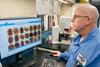
NewsAI tool beats humans at detecting parasites in stool samples, study finds
Scientists have developed an artificial intelligence (AI) tool that detects intestinal parasites in stool samples more quickly and accurately than traditional methods, potentially transforming how labs diagnose parasitic infections around the world.
-
 News
NewsDangerous E. coli strain blocks gut’s defense mechanism to spread infection
When harmful bacteria invade through the digestive tract, gut cells usually fight back by pushing infected cells out of the body to stop the infection from spreading. Scientists have discovered that a dangerous strain of E. coli can block gut this defense, allowing the bacteria to spread more easily.
-
 News
NewsBabies born eight to ten weeks early can be safely milk fed without risk of gut complications, finds a new study
A major study has found that babies born between eight to ten weeks early can be fed with milk through a tube in their stomach straight after birth rather than being given intravenous feeds through a drip.
-
 News
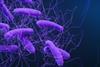
NewsScientists develop a way to track donor bacteria after fecal microbiota transplants
Researchers have developed a new technology to track beneficial bacteria for up to 5 years after fecal microbiota transplants (FMT). The method allows scientists to distinguish even closely related bacterial strains and identify each one’s unique genetic “fingerprint.”
-
 News
NewsNew role of gut bacteria provides hope for a novel IBS treatment
Research clarifies the complex interaction between gut bacteria and IBS, identifying two bacteria that together can produce serotonin: Limosilactobacillus mucosae and Ligilactobacillus ruminis.
-
 News
NewsHow to hack your microbiome for lifelong health
A new book, The Microbiome Master Key, dissects the latest microbiome research, dispels common myths and provides simple, science-backed tips on how to leverage your microbiome to promote healthy living and aging.
-
 News
NewsExercise counteracts junk food’s depression-like effects through gut-brain metabolic signaling
New research into metabolic pathways demonstrates that voluntary running exercise can mitigate depression-like behaviors induced by high-fat, high-sugar diets associated with both circulating hormones and gut-derived metabolites.
-
 News
NewsScientist wins research grant to create mucin-on-a-chip for IBD research
Dr. Ilana Kolodkin-Gal of the Scojen Institute for Synthetic Biology has won a research grant from the BSF-NSF to investigate the role of invasive and pathogenic strains of intestinal bacteria in disrupting the integrity of the intestinal barrier.
-
 News
NewsGut microbiome affects alcohol preference by influencing brain’s reward system
A new study shows how an overgrowth of Candida albicans - overly abundant in people with alcohol use disorder - increases levels of inflammatory molecules that can cross the blood-brain barrier and affect the desire for alcohol.