
All Enterobacter cloacae articles
-
 News
NewsHigh-fat diets cause gut bacteria to enter brain, study finds
A new study, performed using mouse models, establishes that live bacteria from an imbalanced gut microbiome can enter the brain via the vagus nerve. The vagus nerve connects the brainstem to the heart, lungs, and major abdominal organs, including the stomach, intestines, liver and more.
-
 News
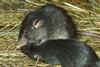
NewsFrom Miami to Berlin: stowaway rat delivers valuable pathogen lessons
in 2017, a Miami–Berlin flight took an unexpected turn when passengers spotted a rat on board. The incident underscored how easily pathogens can spread across continents—and why standardized testing of animal stowaways is so important.
-
 News
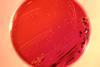
NewsDisease-causing bacteria can deal with stink as long as they get a meal
Bacteria that cause intestinal infections typically avoid a stinky chemical — one that can kill them at high enough concentrations — inside human intestines, but they may actually swim toward it when a hearty meal is the reward.
-
 News
NewsFlightpath Biosciences licenses microbiome-sparing antibiotic developed at Illinois
Flightpath Biosciences, Inc., has licensed a class of antibiotics developed at the University of Illinois Urbana-Champaign. The original antibiotic agent, lolamicin, effectively treated bacterial infections in animal models of disease without wiping out beneficial gut microbes.
-
 News
NewsNovel breath test shows promise for diagnosing and monitoring bacterial infections
A new, non-invasive breath test has emerged as a potential breakthrough for rapidly diagnosing bacterial infections and tracking treatment effectiveness.
-
 News
NewsNew antibiotic kills pathogenic bacteria, but spares healthy gut microbes
Researchers have developed a new antibiotic that reduced or eliminated drug-resistant bacterial infections in mouse models of acute pneumonia and sepsis while sparing healthy microbes in the mouse gut.
-
 News
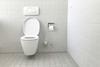
NewsPathogens found on floors, ceilings and door handles of hospital toilets, study finds
Pathogenic bacteria and fungi, including multi-drug resistant ’superbugs’ have been found on the floors, ceilings, door handles and other surfaces of hospital toilets in the UK, with patient toilets the worst affected, a new study has found.