
All EMBL Heidelberg articles
-
 News
NewsLarge-scale microbiome study identifies robust colorectal cancer signature
Researchers have identified a robust microbial signature associated with colorectal cancer. The study also analysed 906 intestinal tissue samples to compare stool-based microbiome signals with microbes found directly in tumour tissue.
-
 News
NewsEMBL pays tribute to Peer Bork (1963—2026)
The European Molecular Biology Laboratory has paid tribute to its Interim Director General, Professor Peer Bork who passed away in January. The institution reflects on the extraordinary impact Peer had on the world of science.
-
 News
NewsMicrobiomes interconnect on a planetary-scale, new study finds
Scientists reveal that microbes living in similar habitats are more alike than those simply inhabiting the same geographical region. By analysing tens of thousands of metagenomes, they found that while most microbes adapt to a specific ecosystem, generalists can thrive across very different habitats.
-
 News
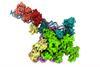
NewsA new study reveals how cholera virulence is activated
A new study provides a long-sought structural explanation of the regulatory cascade that allows Vibrio cholerae to colonize the human gut and produce the cholera toxin that causes life-threatening diarrhea.
-
 News
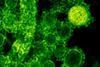
NewsVIRE: a global data platform to better understand viruses
Researchers have released a comprehensive viral genome database covering diverse ecosystems to advance the understanding of viral evolution and ecosystem functions.
-
 News
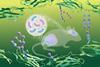
NewsBacteria, brains, and sugar: scientists uncover new connections
Using a new method to study how carbohydrates modify proteins, scientists have discovered that gut bacteria can alter molecular signatures in the brain.
-
 News
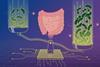
NewsMicrobial load can influence disease associations, new model reveals
Scientists have developed a new machine-learning model to predict microbial load — the density of microbes in our guts — and used it to demonstrate how microbial load plays an important role in disease-microbiome associations.
-
 News
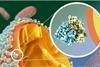
NewsHibernating ribosomes flip upside down in starving yeast cells
Scientists have discovered a curious way in which cells adapt to starvation – a mechanism with potential cancer implications.
-
 News
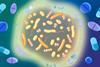
NewsBetter together: Gut microbiome communities’ resilience to drugs
Many human medications can directly inhibit the growth and alter the function of the bacteria that constitute our gut microbiome. EMBL Heidelberg researchers have now discovered that this effect is reduced when bacteria form communities.
-
 News
NewsCells ‘repress’ genomic remnants of ancient viruses
Researchers have identified key cellular control sites that regulate gene expression and prevent the activation of ‘cryptic’ genomic regions, including ancient viral sequences.
-
 News
NewsFather’s gut microbes affect the next generation
A study shows that disrupting the gut microbiome of male mice increases the risk of disease in their future offspring.
-
 News
NewsDenovAI uses artificial intelligence to discover therapeutic antibodies
Kashif Sadiq has founded a start-up – DenovAI – for broader, faster and cheaper antibody discovery using advanced machine learning and computational biophysics.
-
 News
NewsResearchers probe >10,000 drug combinations to beat AMR
In an extensive investigation, researchers have tested over 10,000 drug combinations against some of the leading pathogenic bacteria carrying antimicrobial resistance and causing mortality.