
All Editorial articles – Page 140
-
 News
NewsChemobiological platform enables renewable conversion of sugars into core aromatic hydrocarbons of petroleum
Researchers have developed a chemobiological platform that converts renewable carbon sources such as glucose and glycerol into oxygenated precursors, which are deoxygenated in the same solvent system to yield benzene, toluene, ethylbenzene, and p-xylene (BTEX).
-
 News
NewsBiochar and plants join forces to clean up polluted soils and boost ecosystem recovery
A review explores how combining biochar with rhizoremediation, a nature-based process that uses plant roots and beneficial microbes to break down pollutants, can greatly enhance soil restoration. Biochar acts as both a catalyst and a habitat for microbes.
-
 News
NewsInspection confirmed mould damage in schools does not increase students’ risk of developing asthma
A recent study found that mould damage in school buildings does not increase the risk of asthma among students. The study included 110 Finnish primary and secondary schools, and the health of 30,000 students was tracked using national health registers over a 16-year period.
-
 News
NewsMore than a feeling: Could a healthier gut improve mental health?
A new review finds strong causal evidence that gut microbes can change brain chemistry, stress responses and behaviours in animal models; and evidence that probiotics, diet changes, and faecal microbiota transplants improve mood and anxiety.
-
 News
NewsNew global burden of disease study: Mortality declines, youth deaths rise, widening health inequities
The world faces an emerging crisis of higher death rates in adolescents and young adults in North America and Latin America due to suicide and drug and alcohol consumption, and in sub-Saharan Africa due to infectious diseases and unintentional injuries.
-
 News
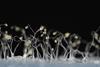
NewsSlime mold metabolites are a promising, eco-friendly repellent of root-knot nematodes
A team of researchers has discovered 14 compounds secreted by slime molds that repel root-knot nematodes (RKNs) - worm-like parasites of the genus Meloidogyne - and could be the source of new, non-toxic anti-RKN pesticides.
-
 News
NewsRare bacterium ‘plays dead’ to evade detection in NASA clean rooms
A rare novel bacterium found in an unexpected environment may be evading detection by “playing dead”. Discovered in NASA spacecraft assembly clean rooms, Tersicoccus phoenicis could have major implications for planetary protection and clean room sterilization practices.
-
 News
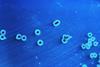
NewsEngineered bacterial therapy activates immune response in cancer preclinical studies
Researchers have developed a new bacterial immunotherapy that delivers immune-activating proteins directly to solid tumors, which can often suppress the immune system. ACTM-838 targets phagocytic immune cells within the tumor microenvironment.
-
 News
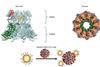
NewsProtein nanorings designed to detect and neutralize SARS-CoV2 virus
Scientists have generated a new ring-shaped protein nanomaterial capable of strongly binding to and neutralising the SARS-CoV2 virus. The new nanomaterial is formed by a scaffold based on recombinant ring-like proteins (RLPs), to which mini proteins were incorporated.
-
 News
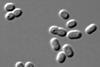
NewsScientists discover regulatory pathway behind cyanobacteria’s carbon-fixing factories
A new study illuminates a key regulatory pathway between cyanobacteria’s light-harvesting systems and the inner compartments where carbon fixation happens, helping us to understand how cyanobacteria balance their energy demands.
-
 News
NewsLittle-known strep bacteria behind growing number of severe infections
An under-recognised strep bacterium is causing a growing number of serious infections in Australia, with First Nations Australians disproportionately affected, according to new research.
-
 News
NewsIn a nasal spray, gold nanoparticles deliver a targeted treatment to the brain
In the form of a ‘nasal spray’, tiny gold particles act as carriers, delivering a treatment directly to the brain: a new nanotechnological device for the treatment and prevention of neuropsychiatric and neurodegenerative diseases and infections.
-
 News
NewsWastewater plants produce twice as much greenhouse gases as officially estimated
Wastewater plants emit about twice as much greenhouse gas as previously believed, according to a new study. Collectively sewer plants produced 1.9 times the nitrous oxide gas estimated by the Environmental Protection Agency and 2.4 times the methane.
-
 News
NewsResearch team with the latest Nobel Prize laureate reveals regulatory immune cell precursors disrupted in severe COVID-19
A research team joined by Professor Shimon Sakaguchi – the latest Nobel Laureate in Physiology or Medicine – has identified a subset of immune cells called precursor T follicular regulatory cells (preTfr) that play a critical role in preventing autoantibody production.
-
 News
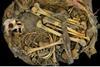
News1,000-year-old gut microbiome revealed for young man who lived in pre-Hispanic Mexico
Analysis of preserved feces and intestinal tissue has revealed specific types of bacteria that were present in the microbiome of a young adult man who lived in Mexico about 1,000 years ago, prior to Spanish colonization.
-
 News
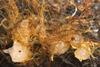
NewsDeadwood-decomposing fungi feed germinating orchids
Deadwood-decomposing fungi feed germinating orchids, providing the carbon their tiny seeds don’t have. The finding not only closes a gap in our understanding of wild orchid ecology but also uncovers an important carbon flux in the ecosystem.
-
 News
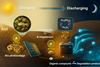
NewsSoil bacteria and minerals form a natural ‘battery’ that breaks down antibiotics in the dark
Researchers have unveiled a surprising new way that soil microbes can use sunlight energy. The team developed a “bio-photovoltage soil-microbe battery” that can capture, store, and release solar energy to power the breakdown of antibiotic pollutants in the dark.
-
 News
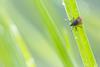
NewsResearchers’ call: Consider the risk of wildlife-spread diseases during ecosystem restoration
Researchers are urging adaptive ecosystem restoration, which implements key considerations for minimizing the zoonotic disease risk otherwise associated with restorations. A new study is providing practical guidance for restoration project stakeholders.
-
 News
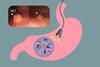
NewsChanges in gut microbiota influence which patients get AIG-related neuroendocrine tumors
Researchers have discovered how the balance of bacteria in the stomach affects the growth of neuroendocrine tumors (NETs). By identifying the specific bacteria involved and the biochemical reactions that cause tumor growth, they hope to detect which patients are most likely to develop cancer.
-
 News
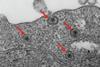
NewsResearchers find key to stopping deadly infection
New research has identified a key step that enables rotavirus to infect cells. The researchers found that disabling the process in tissue culture and in mice prevented infection.