
All Cancer Microbiology articles – Page 4
-
 News
NewsScientists highlight the cost of delaying childhood vaccination
Delaying hepatitis B vaccination after birth increases infections among newborns and decreases their survival rates and quality of life. A new study found that the longer the delay, the higher the cost in human life and health care.
-
 News
NewsSecret to a healthy liver found in a young microbiome
Restoring the gut microbiome to its youthful state may hold the key to slowing aging and preventing liver cancer, one of the fastest-growing cancers worldwide, according to a study.
-
 News
NewsResearchers fight oral cancer with bioengineered chewing gum
Research shows that antiviral and antibacterial chewing gums reduce the levels of three microbes linked to worse outcomes in oral cancers, paving the way for more effective and affordable therapies.
-
 News
NewsPioneering virologist Bernard Roizman dies at 96
Bernard Roizman, ScD, world-leading expert on herpes simplex virus (HSV) and Joseph Regenstein Distinguished Service Professor Emeritus of Microbiology and Molecular Genetics and Cell Biology at The University of Chicago, died on April 13, 2026, at the age of 96.
-
 News
NewsOral-gut axis points to salivary biomarkers for early gastric cancer detection
A recent study has identified distinct microbial “signatures” within the oral cavity and gut that serve as robust biomarkers for the early detection of gastric cancer (GC). Research shows how specific lactic acid-producing bacteria (LAB) migrate from the mouth to colonize the gastrointestinal tract.
-
 News
NewsGut bacteria predict skin cancer recurrence, but only when matched for ‘microbial fingerprint’
The specific mix of bacteria living in a person’s gut can predict the chances that melanoma will recur after surgery and immunotherapy, which helps immune cells target cancer cells, according to a new study.
-
 News
NewsSleep deprivation disrupts gut microbiota, worsening colorectal cancer outcomes
Researchers have found that the gut microbiota drives changes to the immune system caused by chronic sleep loss. These changes promote cancer progression, disrupt circadian rhythm and weaken the effectiveness of chemotherapy.
-
 News
NewsThree European countries reach 90% HPV vaccination target as Europe steps up action on cancer prevention
All EU/EEA countries now recommend HPV vaccination for adolescent girls and boys as part of their immunisation programmes, marking a major step forward in Europe’s’ cancer prevention efforts. Iceland, Portugal and Norway have reached the target of 90% HPV vaccination coverage among girls by the age of 15.
-
 News
NewsStudy reveals genome-wide host–virus genetic interactions in cancer risk
Researchers report a major advance in understanding how interactions between human and viral genomes shape disease risk. They found that variations in the Epstein–Barr virus, together with a specific immune-related gene (HLA-A*11:01), strongly influence the risk of nasopharyngeal cancer.
-
 News
NewsCat viruses offer window into human oncogenesis
Cats are not just beloved companions; they are emerging as key “research partners” in unravelling viral cancer mechanisms. A new review explores how feline tumour viruses offer vital insights into human oncology and viral carcinogenesis from a comparative oncology perspective.
-
 News
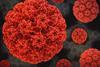
NewsMethod for amplifying the full genome of human papillomavirus 16 uses overlapping extension polymerase chain reaction
Human papillomavirus (HPV) is a double-stranded circular DNA virus with a genome of approximately 7–8 kb. A new study aims to establish an overlapping extension polymerase chain reaction method for the amplification of the entire genome of HPV16.
-
 News
NewsImmunogenicity and safety of an Escherichia coli-produced 9-valent HPV vaccine in adolescents compared with young women
Based on new findings, the National Medical Products Administration of China has approved a two-dose immunization schedule for the domestically produced 9-valent HPV vaccine in girls aged 9 to 17 years.
-
 News
NewsResearchers to test a gut microbiome intervention as part of a cancer therapy regimen
A phase III clinical trial will test a gut microbiome intervention as part of a kidney cancer therapy regimen. The investigational agent is a once-daily capsule requiring no refrigeration or special handling.
-
 News
NewsTurmeric/ginger extract shows multiple benefits for bone implants
An extract of turmeric and ginger helps bone implants bond strongly while killing bacteria and cancer cells, according to new research with implications for millions of patients with joint replacements and bone cancer.
-
 News
NewsA new mouse model of virus-driven liver cancer may open the door to better diagnosis and treatments
Researchers have created the first mouse model in which chronic viral infection progresses to liver cancer, closely mirroring what happens in people with hepatitis C.
-
 News
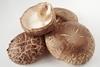
NewsShiitake-derived β-glucan inhibits human cervical cancer progression through DMBT1
A team of researchers investigated the molecular mechanism underlying the anti-cervical cancer activity of Lentinus edodes-derived β-glucan (LNT) and, for the first time, identified DMBT1 as a key target.
-
 News
NewsVirus-inspired DNA needle could pave the way for better medicines
Researchers have developed a microscopic DNA needle that delivers molecules directly into cells and helps keep them active. It may solve a major problem in modern medicine: many therapies are trapped inside cells and lose their effect.
-
 News
NewsThe tumor microbiota: A new frontier in cancer biology
A new study synthesizes evidence from different types of tumors, particularly those characterized by low microbial biomass, where conclusions require particularly rigorous validation. By outlining a roadmap of experimental and analytical standards, this work provides the basis for more robust research.
-
 News
NewsHKU innovations achieve recognition at the 51st International Exhibition of Inventions at Geneva
The University of Hong Kong (HKU) secured 46 awards at the 51st International Exhibition of Inventions of Geneva, including recognition for a project aiming to gain immunity against the three major respiratory viruses through home-based toothbrushing.
-
 News
NewsTarget behind cancer drug shown to help fight influenza in mice
A protein already targeted by FDA-approved cancer drugs may also help the body fight influenza. A study found that Programmed Death-Ligand 1 (PD-L1), best known for helping tumors evade immune attack, instead helped immunocompromised mice clear flu-infected lung cells and survive infection.