
October 2026 - Pollution & Remediation
This collection features content from across The Microbiologist on the how microbes are being used to combat pollution, contamination, and environmental shifts in terrestrial and aquatic ecosystems.” The issue will be updated across the month and include news, features, careers, videos, and opinion. If you would like to feature your work in this issue, please contact the editorial team.
News in Pollution & Remediation
- Previous
- Next








Features in Pollution & Remediation
Features in Pollution & Remediation
Tracking the invisible: monitoring microbial processes in freshwater ecosystems using fluorescence sensing
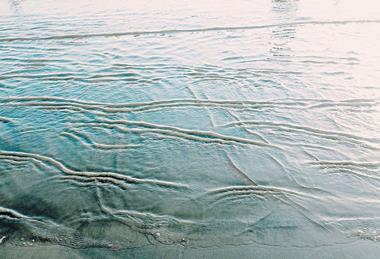
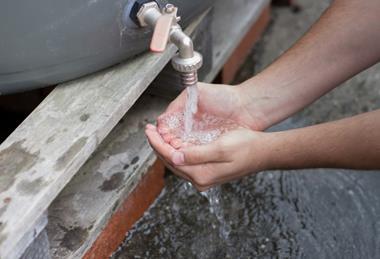
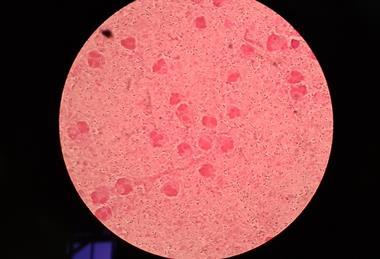
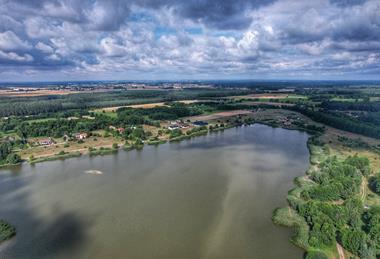
Rivers are dynamic ecosystems driven by microbial processes that regulate carbon and nutrient cycling, organic matter decomposition, and oxygen consumption. Despite their central role in river health, microbial processes remain mostly invisible in routine water quality monitoring programmes, which continue to focus primarily on physicochemical parameters.
Read story
How indigenous microbes could rescue the Niger Delta
Benzene contamination from decades of oil exploitation has turned the Niger Delta’s groundwater into a slow-acting poison for millions of people. Yet the solution may already be living in the contaminated sediment itself, if only the political will exists to deploy it.
Opinions in Pollution & Remediation

When do human-driven changes to wildlife microbiomes become a One Health concern?
- Previous
- Next
Careers in Pollution & Remediation
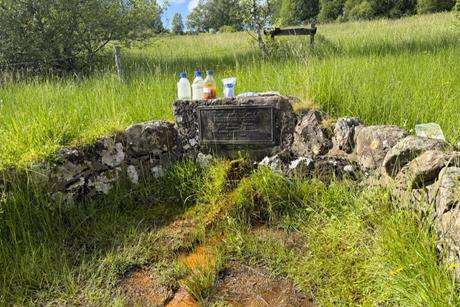
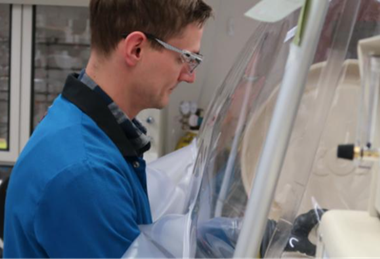
A day in the life: Discovering the hidden microbes of Britain’s historic waters
- Previous
- Next
Our next special issue of 2026 will be published in December, and be called Frontline Microbiology. If you would like to feature your work in the next issue, please contact the editorial team. Access to previous special issues can be found here.